


You booked flights, picked hotels, and now you are frantically wondering how long does visa processing usually take before your departure date arrives. Staring at an empty passport while tracking numbers stay frozen creates a special kind of travel stress. Consulates run on unpredictable schedules, but your pending application does not have to remain a total mystery once you understand the timeline reality.
The Core Factors That Decide Your Timeline
Every embassy operates like an independent bureaucracy with its own backlog, staffing shortages, and security protocols. Your processing speed depends heavily on your nationality, your destination country, and whether you apply during a rush period like June or December.
Consulates balance two distinct phases that travelers frequently confuse. First comes the appointment wait time, which spans from days to over a year depending on your local post. Second is the adjudication phase, which represents the actual window an officer spends reviewing your file after your interview or biometrics collection.
A missing document or a vague travel itinerary triggers immediate manual reviews. Submitting clean bank statements, clear employment letters, and precise flight bookings keeps your file in the rapid decision queue rather than sitting on a supervisor’s desk for weeks. The consular workload in your specific home city matters far more than global averages posted on official immigration portals.
How Long Does Visa Processing Usually Take for Common Visas?
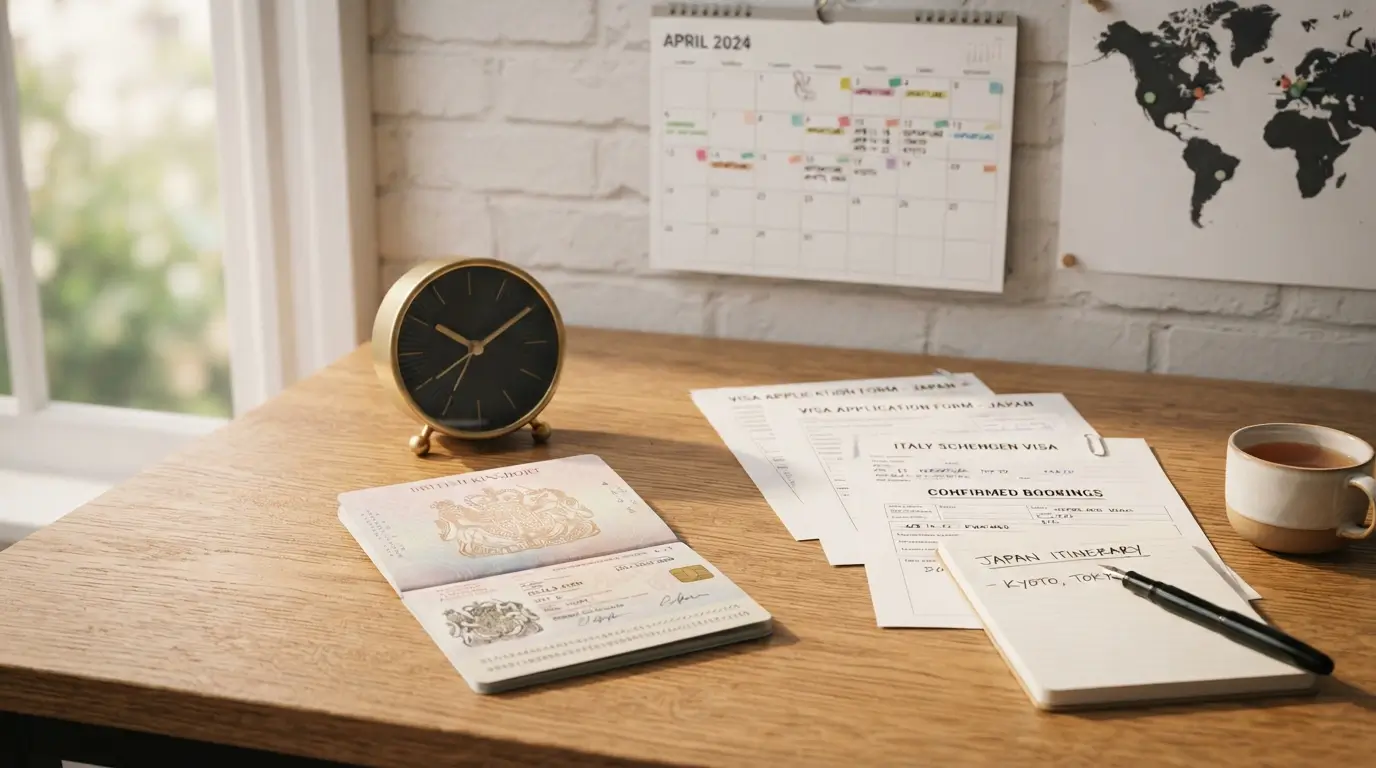
Standard visitor visas for leisure or business generally take between three and six weeks once you submit your passport. For a Schengen visa through processing centers like VFS Global or TLScontact, you can expect an answer within fifteen calendar days, though summer surges stretch that to forty-five days. US B1/B2 tourist visas require only a few days of processing after the interview, but getting that interview slot might take months.
Work permits and residency visas demand far more scrutiny. When evaluating how long does visa processing usually take for specialized employment, plan for two to six months. Immigration authorities must verify employer sponsorships, labor market tests, and local tax compliance before greenlighting your entry.
Student visas move on an expedited track because universities have strict semester start dates. Most consulates prioritize F-1, UK Tier 4, or Australian student applications within three to four weeks during July and August. A sudden seasonal peak in general tourism can still drag down student queues if the embassy shares administrative staff across departments.
The Reality of Administrative Processing Delays
Nothing ruins travel plans faster than receiving a 221(g) slip or an email stating that your file requires extended review. This status means the consular team paused your case to perform external security checks, verify background history, or contact your employer directly.
Most administrative holds resolve within sixty days, but complex cases stretch beyond six months without warning. Officers rarely provide status updates during this quiet period because external intelligence or labor agencies hold the paperwork. Checking your status on the CEAC tracker or national equivalent portal will simply show “Refused” or “Under Review” until a final officer signs off.
You can minimize this risk by avoiding common documentation red flags. Provide precise dates for past employment, declare every international trip taken in the past decade, and submit certified translations for non-English documents. A thorough administrative review cannot be bypassed with phone calls, so patience and proactive paperwork precision are your only real safeguards.

Proven Methods to Accelerate Your Application
Applicants often ask how long does visa processing usually take when sudden work travel pops up and departure is looming. While you cannot bribe an embassy clerk, you can use several legitimate shortcuts to speed up the calendar.
Also Read: Visa Free Countries for US Passport Holders 2026
Many countries offer premium options for an extra fee. The UK and Schengen members frequently provide five-day priority or twenty-four-hour super-priority services for straightforward tourist and business files. The United States offers premium processing for specific employment petitions, guaranteeing an initial response within fifteen calendar days.
Another effective method involves checking appointment booking portals multiple times a day. People cancel interview slots constantly due to changed plans or illness. Logging into appointment portals early in the morning often yields an unexpected opening for tomorrow morning instead of three months out.
How to Handle a Stalled or Overdue Visa
When your application passes the standard estimated timeframe, sitting quietly rarely helps. Begin by submitting a polite webform inquiry through the official embassy portal or the designated outsourced partner. Keep your message brief, state your case reference number clearly, and attach proof of your upcoming departure date.
If you face an urgent humanitarian situation or a critical business emergency, request an expedited appointment directly through the consular scheduling dashboard. Embassies maintain emergency slots specifically for medical emergencies, funerals, and time-sensitive commercial contracts. You must attach documentary evidence, such as a doctor’s letter on hospital letterhead or an executive corporate summons.
For US visas, reaching out to your local congressional representative can break a bureaucratic stalemate if processing exceeds normal published windows. Congressional liaisons have dedicated communication channels with consular posts to inquire about stalled applications on behalf of constituents.
Digital Visas and E-Visas Versus Traditional Stickers
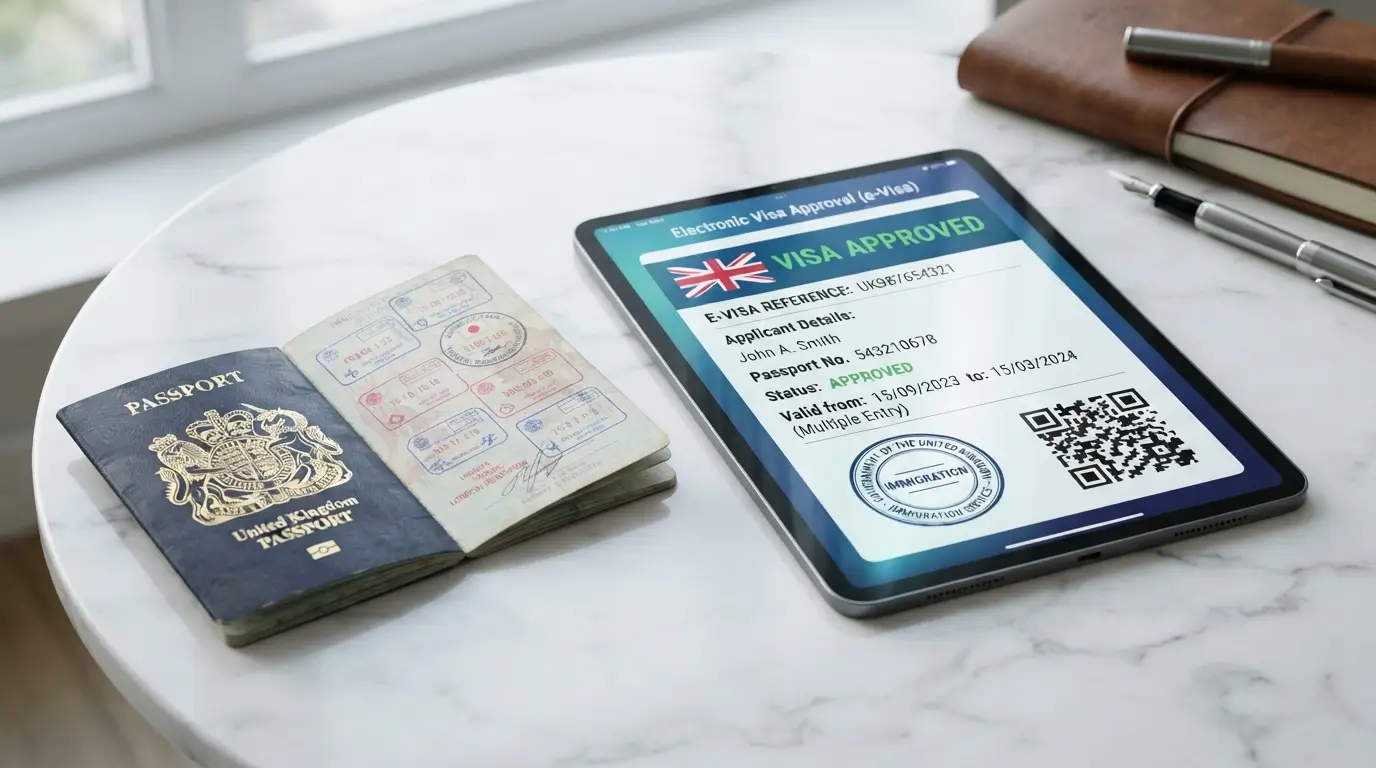
Electronic travel authorizations completely altered timeline expectations for modern global travelers. Countries like Australia, India, Turkey, and Kenya now issue e-visas through automated online portals without requiring physical passport submissions.
These digital permits typically process within twenty-four to seventy-two hours. Automated algorithms verify your passport data against international watchlists and grant electronic approvals straight to your inbox. IMO, skipping physical consular visits and courier drop-offs saves weeks of anxiety and eliminates passport loss risks.
Do not let the convenience of digital visas fool you into applying at the boarding gate. Technical glitches, payment processing errors, and manual spot checks can push a standard two-day e-visa into a ten-day wait. FYI, always submit e-visa requests at least two weeks before your flight to account for server downtime.
Document Verification and Common Application Pitfalls
Minor application mistakes cause the vast majority of preventable delays. Consular officers handle hundreds of files daily, so any discrepancy gives them an easy reason to push your passport to the bottom of the pile.
Financial proof causes the most friction during assessment. Consular teams look for steady balances rather than sudden, massive deposits dumped into your account right before applying. If your parents or partner sponsor the trip, include an explicit affidavit of support alongside their certified bank records and official identification.
Passport validity rules also catch travelers off guard. Most nations require at least six months of remaining passport validity beyond your intended departure date, along with two blank pages. A single compliance check failure on basic passport requirements leads to immediate rejection or extensive processing halts that destroy your holiday schedule.
Tracking Systems and What the Status Codes Mean
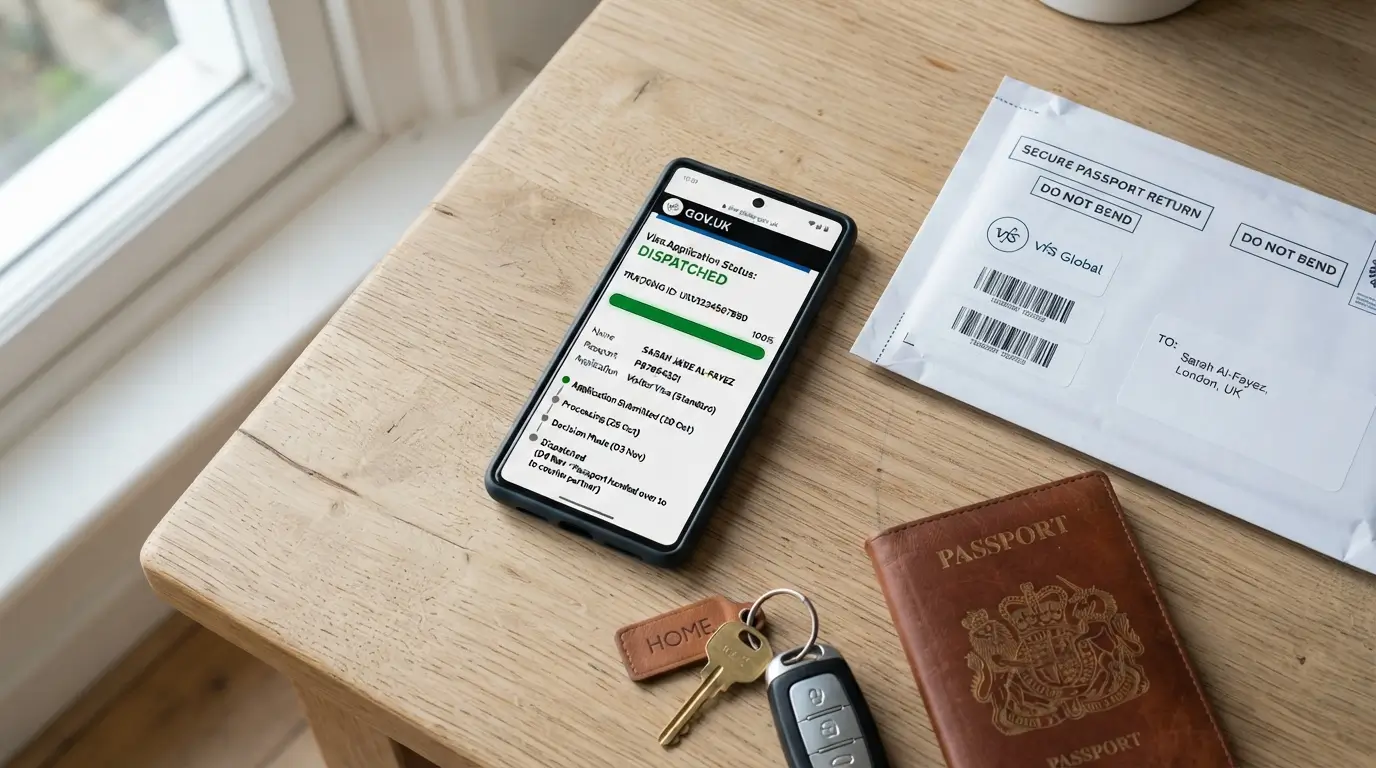
Watching an online tracker update provides peace of mind while your passport sits in consular custody. Outsourced centers like VFS, TLS, and BLS use tracking milestones that update as your physical envelope moves between locations.
Your tracking status usually begins with “Application Received” before transitioning to “Forwarded to Embassy” and “Under Process.” Once the consular team finishes evaluation, the status changes to “Processed Application Dispatched.” Consular posts never display whether your visa received approval on the tracking screen due to privacy regulations.
You only find out the final decision once you break the courier seal and open your passport. Seeing a prolonged “Under Process” status simply means an officer has not stamped the final paperwork yet. Understanding these tracking milestones keeps you from panicking during the final stages of the wait.
Strategic Timing for Peak Travel Seasons
Booking a vacation around major holidays requires a completely different application strategy. Consulates experience massive application surges ahead of summer breaks, Christmas, Eid, and Lunar New Year.
During these peak windows, staff processing capacities drop while application volumes double. Embassies also close for both host country holidays and their own national holidays, shaving multiple working days off the monthly processing calendar. People planning family visits constantly ask how long does visa processing usually take during summer holidays, and the answer is always at least double the winter turnaround.
Submit your paperwork at the earliest allowable window, which is usually six months before your scheduled travel date for most major destinations. Applying six months early locks in your visa approval before embassies get overwhelmed with late seasonal filers.
Frequently Asked Questions
How can I check the status of my visa application?
You can track your file online through the consular portal or third-party processor using your unique tracking reference number and passport details. Systems update as your application moves from initial receipt to consular review and final dispatch. Direct phone updates are rarely offered.
Does booking flights in advance speed up how long visa processing takes?
Booking flights never speeds up consular review times and embassies strongly discourage buying non-refundable tickets before receiving approval. Officers evaluate applications based on financial stability and travel intent, not flight purchase receipts. Presenting a flight reservation or itinerary is sufficient for almost every major visa application.
What causes unexpected delays in visa processing?
Delays usually happen due to missing documents, unverified employment details, background security checks, or high application backlogs at the embassy. Incomplete bank statements or discrepancies between your application form and supporting papers also trigger mandatory manual supervisor reviews that halt immediate processing.
Can I get my passport back while my visa is processing?
Most consulates allow you to temporarily withdraw your passport if you need to travel elsewhere, but this often pauses your visa review completely. Third-party centers sometimes offer a keep-my-passport service for an additional fee, requiring you to resubmit the passport only for final stamping.
What is the difference between calendar days and business days for visa processing?
Embassies calculate turnaround times in business working days, excluding weekends and both host country and home country official public holidays. A stated fifteen-day processing window typically translates to three full calendar weeks in practice, so always account for embassy closures when calculating your schedule.
Conclusion
Handling consular timelines requires early preparation, spotless paperwork, and a healthy dose of realistic patience. Give yourself a generous buffer before your departure date, and monitor official embassy updates rather than relying on rumors. Have you ever experienced an unexpected visa delay right before a major trip?

One comment on “How Long Does Visa Processing Usually Take? 2026”