


You booked the flight, walked twenty miles across Rome, and still came home wondering how to take better travel photos abroad. Your memories feel electric, but your camera roll looks like a flat catalog of blurry buildings and squinting selfies. That gap between what your eyes saw and what your lens captured stings, especially after spending thousands on a dream trip. It stops right now.
Master Your Camera Before You Pack Your Bags
Practice your shooting fundamentals in your own backyard long before you board an international flight. Fumbling with shutter speed menus while standing in the middle of a chaotic market in Marrakech guarantees missed shots. Set your camera to aperture priority mode so you only manage depth of field while the sensor handles exposure speed.
Spend an afternoon walking around your neighborhood shooting moving cars, dark alleyways, and bright walls. You want muscle memory. When a street musician in Lisbon suddenly turns your way, your fingers should adjust the exposure dial without your eyes leaving the viewfinder.
How to Take Better Travel Photos Abroad by Chasing Golden Hour
Harsh midday sun ruins more vacation pictures than bad weather ever could. Harsh noon sunlight casts dark shadows under people’s eyes and bleaches vibrant architecture into washed-out chalk. Set your alarm for sunrise instead. The soft light during early morning hours bathes ancient stone and cobblestones in warm, glowing tones that make every frame look cinematic.
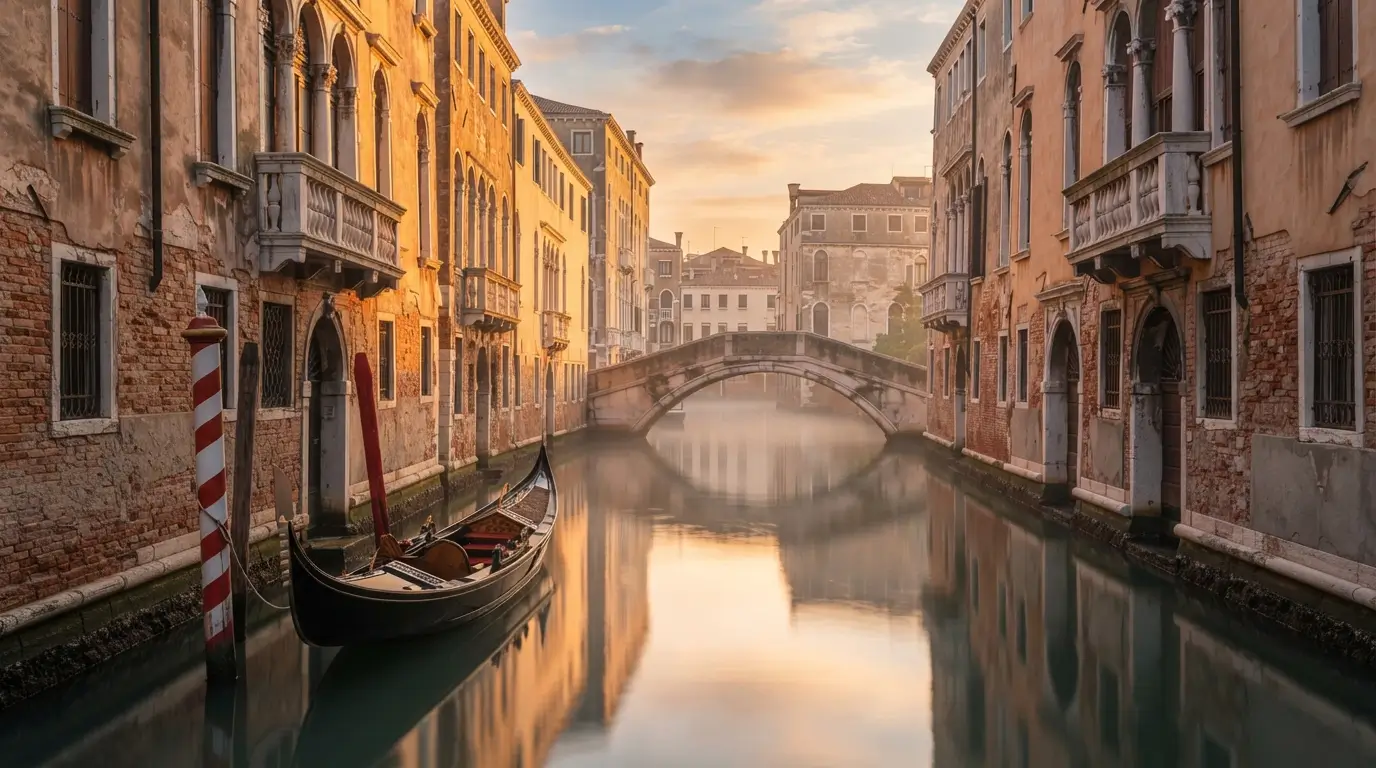
Better yet, the heavy tourist crowds are still asleep in their hotel beds. I learned this lesson the hard way in Venice, where waking up at 6:00 AM gave me empty bridges and glowing canals, whereas midday felt like an overcrowded theme park. If you want to know how to take better travel photos abroad, timing your walks around first light will solve half your problems instantly.
Ditch the Postcard Angles and Hunt for Micro Details
Stand twenty feet away from where everyone else is pointing their smartphones. Everyone takes the exact same wide photo of the Eiffel Tower or the Colosseum. Those postcard pictures rarely stir emotion because they lack personal perspective.
Also Read: How to Renew Passport Before International Trip 2026
Focus on environmental textures that tell an intimate story about the culture. Zoom in on weathered door knockers in Florence, steam rising off a noodle bowl in Tokyo, or worn tiles along a doorway in Seville. These tactile details anchor your travel album and transport the viewer directly into the sensory reality of the location.
Frame Your Subject Using Real Foreground Elements
Layering three distinct visual planes turns a boring flat scene into an immersive three-dimensional image. When you look at a scene with your eyes, your brain perceives natural depth. Cameras flatten everything onto a two-dimensional sensor unless you build depth intentionally. Shoot through an archway, past lush tropical leaves, or over the shoulder of a companion enjoying a coffee.
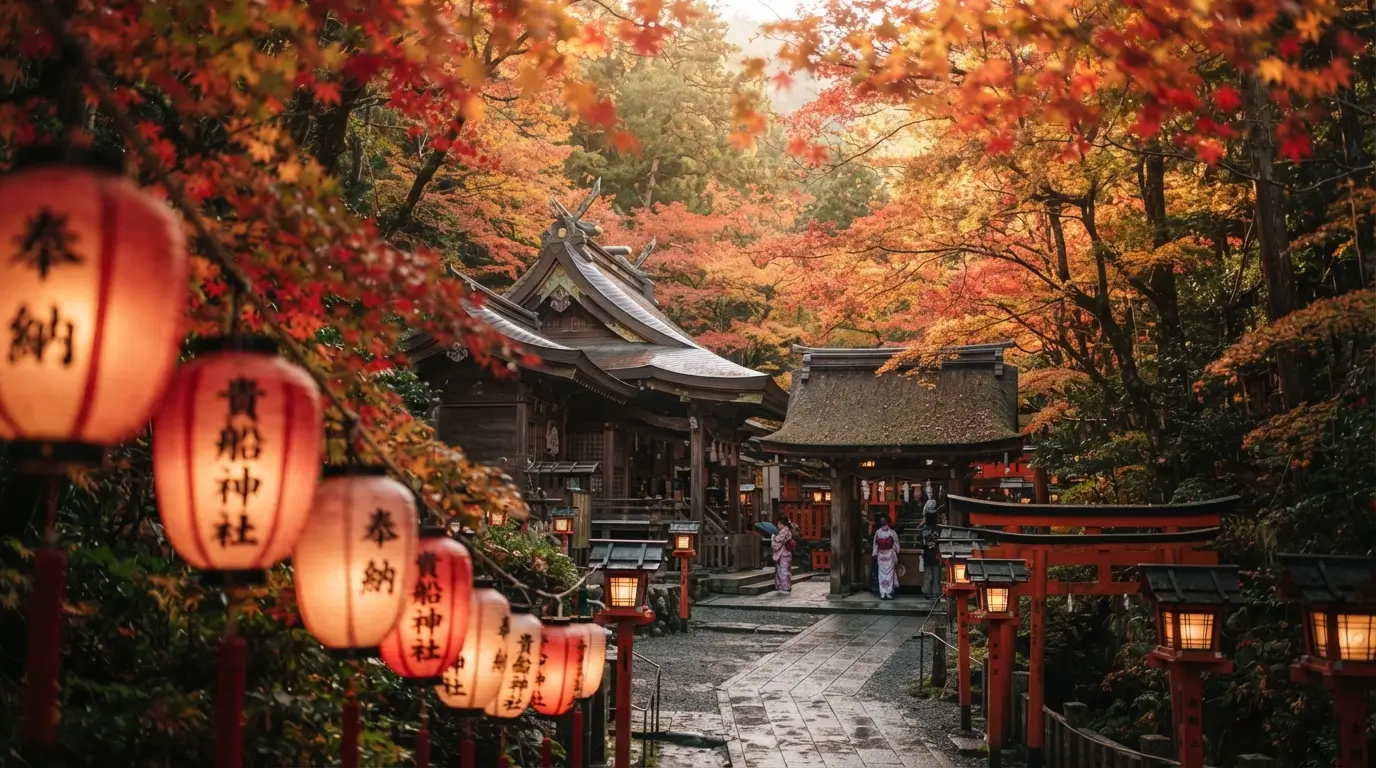
This technique, known as natural framing, pulls the viewer’s eye straight toward the main subject while giving context to the surroundings. Learning how to take better travel photos abroad comes down to how you guide the viewer’s attention through the scene. During my time in Kyoto, framing wooden shrines through hanging paper lanterns created far more atmosphere than shooting the bare buildings from an open courtyard.
Pick One Versatile Lens and Leave the Heavy Bag in Your Room
Heavy camera bags will drain your energy faster than jet lag. Packing four heavy zoom lenses makes walking through foreign cities a chore. You spend half your time swapping glass on dusty street corners and worrying about thieves.
Stick to a single fast prime lens, like a 35mm or 50mm equivalent, or a compact 24-70mm walkaround zoom. A prime lens forces you to move your feet to frame the composition, which makes you notice interesting details you would otherwise ignore. When I carried just a 35mm lens through Oaxaca, my back felt great and I reacted twice as fast to fleeting street scenes. FYI, less gear always leads to better creative focus.
Lower Your Angle to Reveal Dramatic Perspectives
Most travelers shoot every single picture directly from chest height. Eye-level perspective feels ordinary because that is how we view the world every second of the day. Drop down onto one knee or hold your camera close to the pavement to capture dramatic reflections in rain puddles.
Alternatively, seek out high vantage points like rooftop cafes or hilltops to capture sweeping cityscapes. Tilting your camera upward from a low angle exaggerates the scale of soaring cathedrals and towering palm trees. Experimenting with low vantage points instantly elevates ordinary street corners into dynamic architectural scenes.
Approach People with Respect Before Snapping Portraits
A genuine human portrait carries more emotional weight than ten photos of famous monuments. Street photography abroad requires empathy and cultural awareness. Sneaking shots from across the street with a giant telephoto lens feels creepy and often yields awkward expressions.
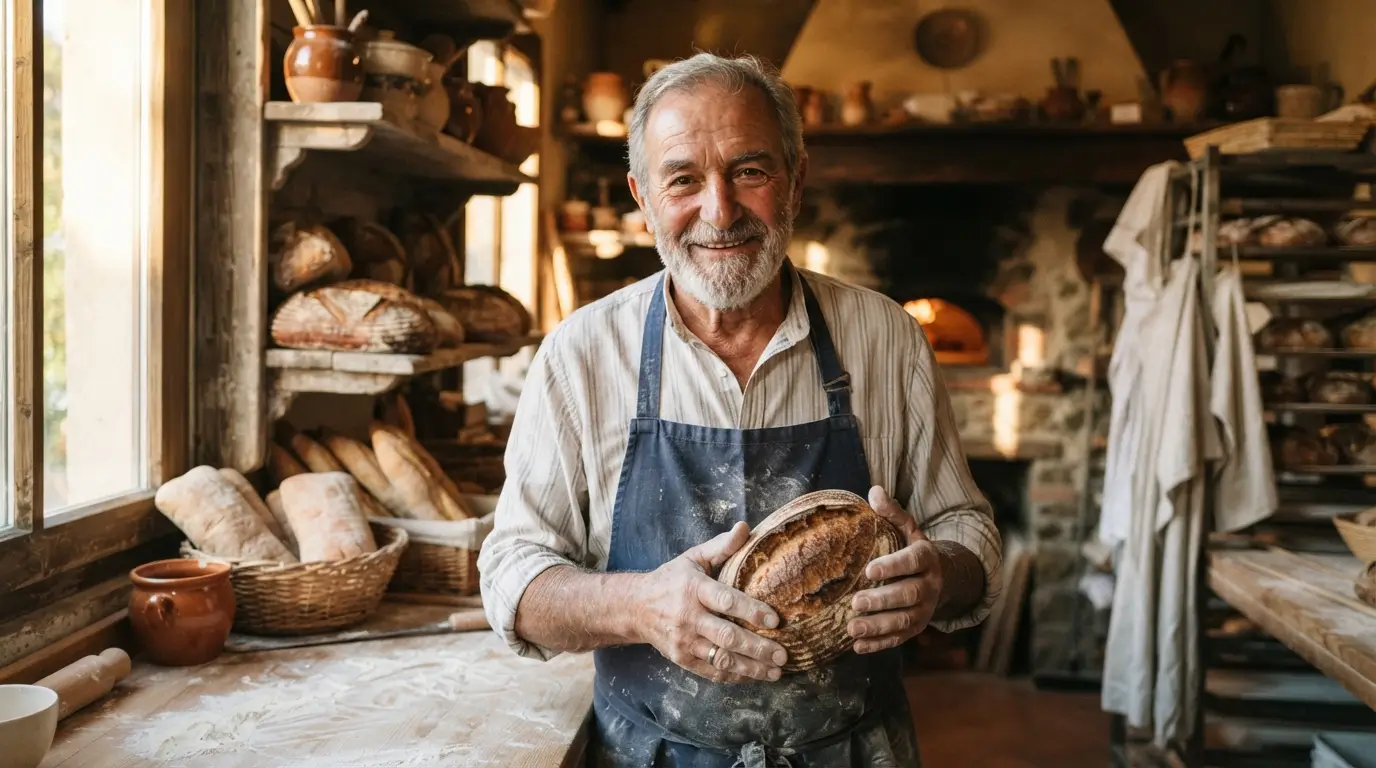
Smile, make eye contact, and learn how to ask for permission in the local language. Buy a pastry from the baker or a piece of fruit from the market vendor before asking for a quick snapshot. Establishing mutual respect creates relaxed, authentic expressions where the subject connects directly with your lens. IMO, these brief human interactions become the fondest memories of your journey.
Edit for Consistency with Mobile Presets
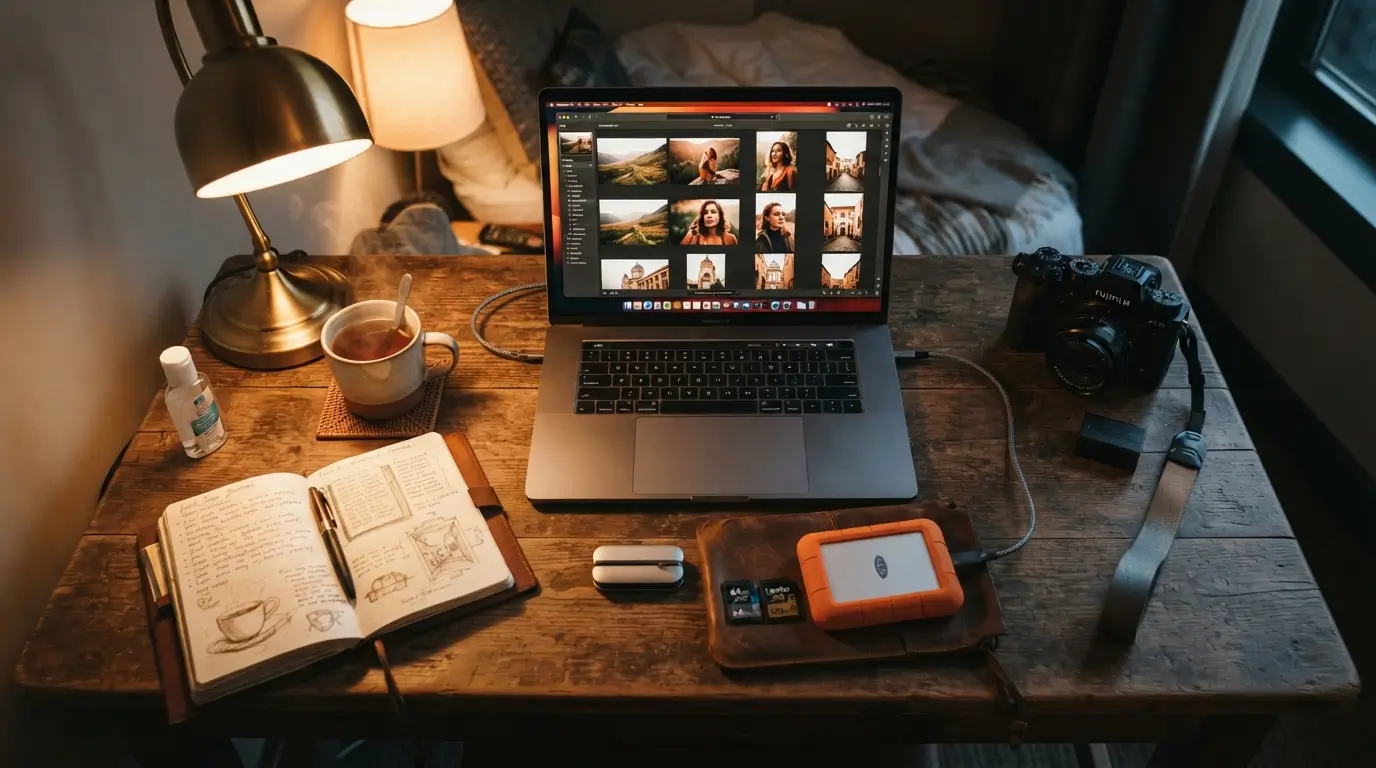
Raw camera files look flat right out of the camera, but heavy-handed editing ruins great moments. Do not wait until you return home from your trip to sort through thousands of raw files. Import your favorite shots into Adobe Lightroom Mobile every evening while resting at your hotel.
Create or apply a subtle custom color preset that reflects the mood of your destination, whether warm Mediterranean tones or moody Nordic blues. Keep saturation and sharpness moderate so the scene looks true to life. Understanding how to take better travel photos abroad means treating the digital darkroom as the final creative step that ties your entire photo collection together into a cohesive visual story.
Safeguard Your Images with a Daily Backup Habit
Losing your memory cards to theft, water damage, or corrupt data is an absolute nightmare. Treat your daily photo files like your passport. Carry two high-speed memory cards in your camera body if it has dual slots, writing data to both simultaneously for instant redundancy.
At night, transfer your keepers to a rugged portable drive like the SanDisk Extreme SSD and back them up to cloud storage when hotel Wi-Fi allows. Establishing an airtight daily backup routine guarantees that your hard work stays safe no matter what happens on the road.
Frequently Asked Questions
What camera gear should I pack for traveling overseas?
Pack light with one versatile camera body and a sharp 35mm or 24-70mm lens. Bring extra batteries, high-speed SD cards, and a lens cleaning cloth. Avoid bulky tripods unless you plan dedicated night photography. A compact shoulder bag keeps your gear secure and accessible throughout long walking days.
How can I take sharp images in low light without a tripod?
Raise your ISO to 3200 or 6400 and widen your aperture to let in maximum light. Lean against a sturdy wall, brace your elbows against your ribs, and gently squeeze the shutter button. Modern camera sensors handle high ISO grain remarkably well, so embrace subtle digital noise over blurry motion.
What camera mode works best when learning how to take better travel photos abroad?
Aperture priority mode is the sweet spot for travel photography. You control the depth of field to isolate subjects or keep landscapes sharp, while the camera automatically calculates the correct shutter speed. Switch to manual mode only when shooting complex night scenes or high-contrast sunsets.
Is a smartphone good enough for international travel photography?
Modern smartphones capture incredible images in good light. Use manual exposure sliders to prevent blown highlights, turn on the composition grid, and clean your phone lens frequently. For large landscape prints or dim night markets, however, a dedicated mirrorless camera with a larger sensor still yields superior detail.
How do I photograph locals without being rude?
Always make eye contact and smile before lifting your camera. Learn the local phrase for asking permission and respect an immediate refusal without fuss. Buying goods from street vendors before requesting a portrait builds goodwill and leads to far more natural, relaxed facial expressions.
Conclusion
Travel photography is less about expensive gear and more about showing up early with genuine curiosity. Once you slow down and look for quiet human stories, your travel gallery will reflect how the trip truly felt. Which city are you planning to photograph next?
One comment on “How to Take Better Travel Photos Abroad 2026”