


Finding the right essential gear for travel photography on a budget felt completely impossible when I first started exploring the world with my camera. Every online expert recommended expensive camera setups that made my bank account weep. Thankfully, gorgeous travel photos do not require a second mortgage. You only need a few highly reliable, clever tools that perform beautifully out on the wild, windy road.
The Core Camera Body: Buying Used vs. New
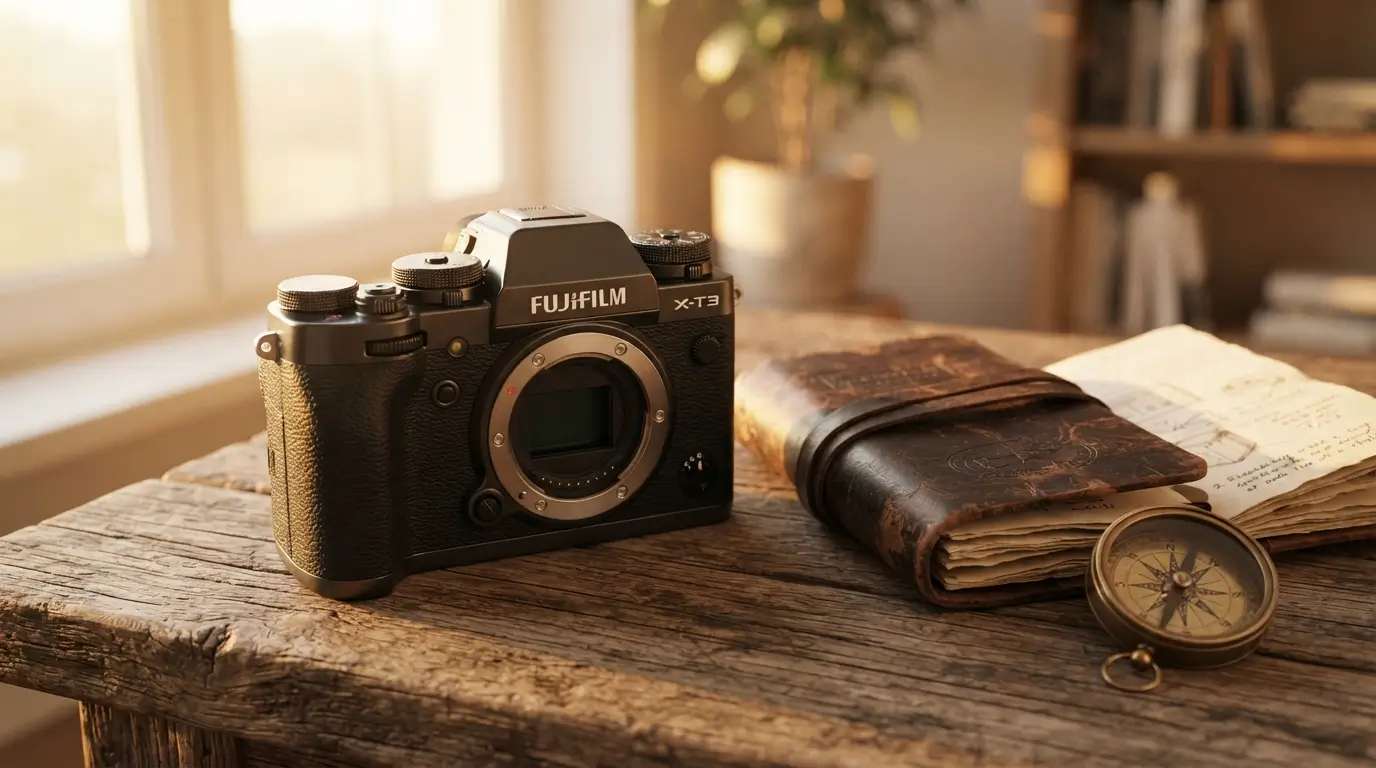
Let’s talk about the biggest money pit first. Most beginners believe they need a brand-new mirrorless camera to capture striking travel images, but that is a massive marketing lie. Older, used camera bodies like the Sony a6000 or the Fujifilm X-T20 offer incredible sensor quality at a fraction of their launch price, making them the ultimate essential gear for travel photography on a budget. I bought a used Olympus OM-D E-M10 Mark II three years ago for cheap, and it still takes photos that end up on my living room wall.
You should always prioritize buying a used body from reputable sites like MPB or KEH because they inspect the gear and offer warranties. The honest trade-off here is that you will miss out on modern features like animal eye autofocus or uncropped 4K video. If you are shooting landscapes, street scenes, and environmental portraits, those high-tech bells and whistles do not actually improve your final image. Saving money on the camera body leaves you with enough funds to invest in high-quality glass, which actually makes a noticeable difference.
The Versatile Prime Lens: Your Secret Weapon
Ditch the plastic kit zoom lens that came in your camera box immediately. While zoom lenses offer convenience, cheap ones usually suffer from terrible low-light performance and soft corners. A fast prime lens with a wide aperture of f/1.8 will instantly improve your photography, giving you those gorgeous blurry backgrounds and clean night shots. If you shoot with a crop sensor, look for a 35mm lens, which gives you a natural field of view similar to what your eyes actually see.
Also Read: How to Take Better Travel Photos Abroad 2026
I regularly travel with just a single 50mm lens on my full-frame body because it forces me to move my feet and think creatively about my composition. Brand-new 50mm f/1.8 lenses from Canon or Nikon often cost under two hundred dollars, making them incredibly accessible. Your photos will instantly look sharper, more professional, and highly cinematic without you having to spend a fortune. Just remember that you have to crop with your feet, which can be frustrating when you cannot physically get closer to a distant mountain peak.
My Top Picks for Essential Gear for Travel Photography on a Budget
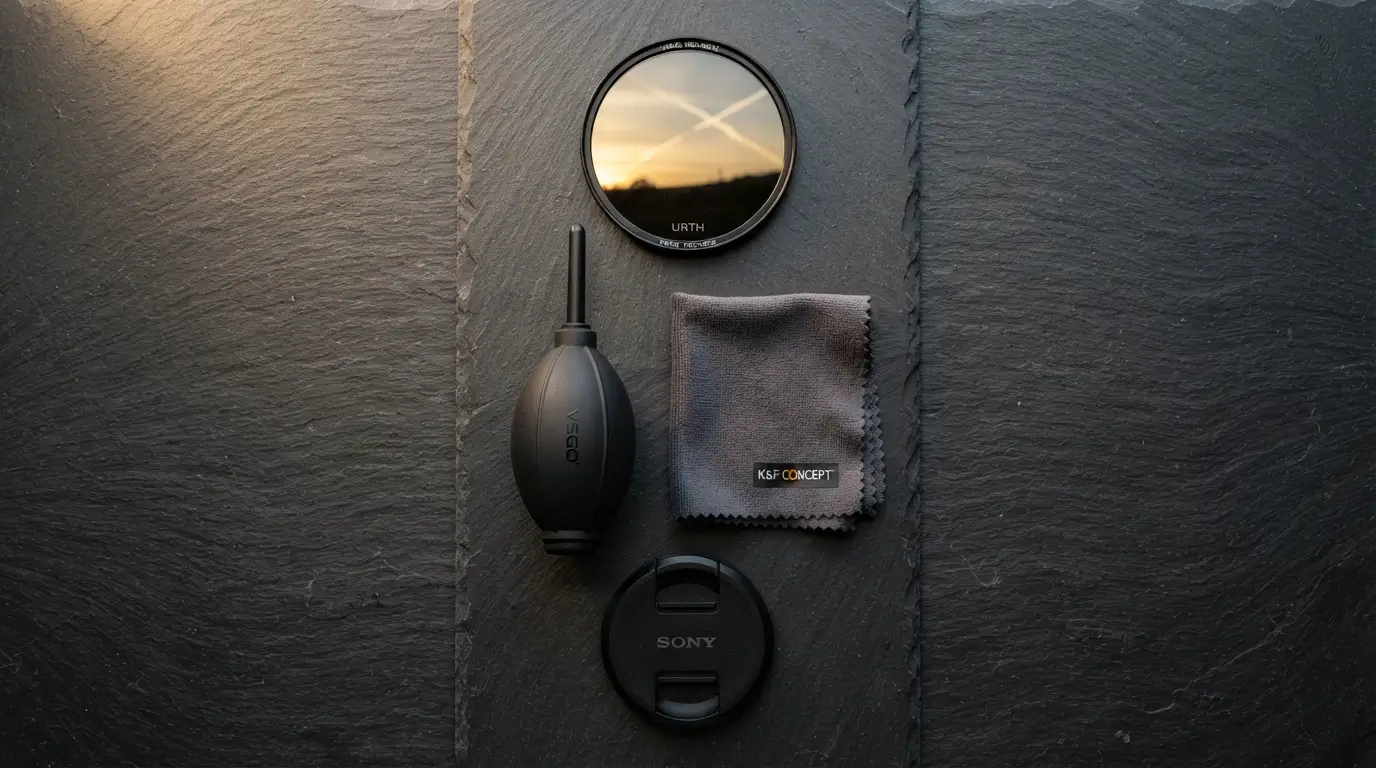
Sifting through endless gear lists can get overwhelming quickly, but focusing on simple accessories will keep your bag light and your wallet happy. When building out the essential gear for travel photography on a budget, I always tell people to buy a variable neutral density filter. This little piece of glass screws onto your lens, acting like sunglasses for your camera so you can take silky smooth waterfall shots even in bright noon sunlight.
Brand names like K&F Concept offer excellent variable filters for less than thirty dollars. Another piece of gear I never travel without is a rocket blower to clear dust off my sensor, preventing hours of tedious spot-removal during editing. You can find these small accessories on Amazon for the price of a couple of coffees, but they save your shots from being ruined by harsh sun or dust spots. Keeping your kit minimal not only saves you money, but it also means you will actually carry your camera instead of leaving it in the hotel room because your shoulders hurt.
Affordable Support: The Lightweight Travel Tripod
Trying to shoot sharp night landscapes or silky water without a tripod is a recipe for blurry disappointment. While professional carbon fiber tripods cost a small fortune, modern aluminum travel tripods offer incredible stability for a fraction of the price. Look at brands like Sirui or Vanguard, which make ultra-compact models that fold down small enough to fit inside a standard backpack side pocket. My aluminum tripod has survived salty ocean waves, muddy trails, and freezing mountain winds without failing once.
It does weigh slightly more than a carbon fiber equivalent, which is the honest trade-off of saving two hundred dollars. Your legs might burn a bit more on long hikes, but the rock-solid stability in high winds makes it entirely worth the extra ounces. If you really want to travel light, a flexible Joby GorillaPod can wrap around tree branches and railings, though it struggles with heavy camera setups on uneven ground.
Safe Carrying: The Low-Profile Camera Bag
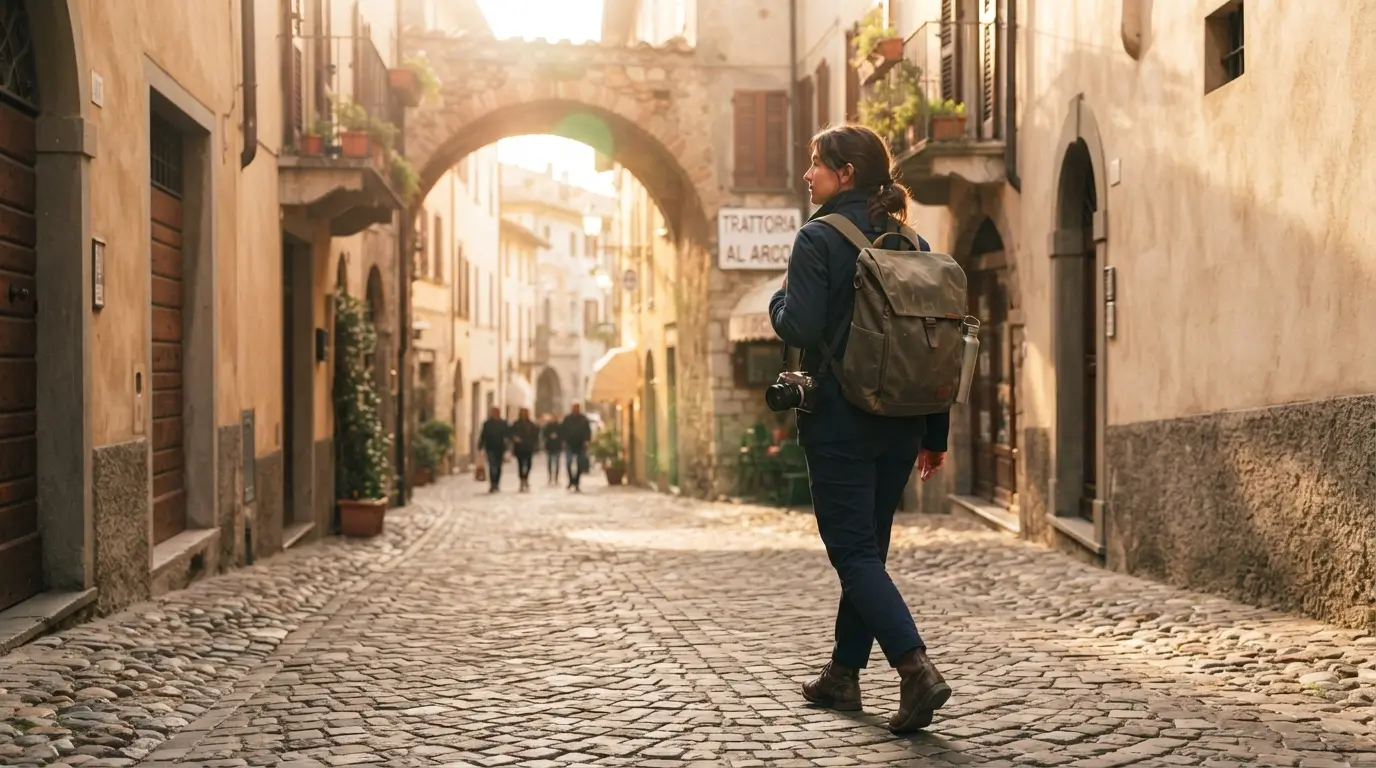
Walking around a foreign city with a giant, branded camera backpack is an open invitation for pickpockets to target you. Instead of purchasing an overpriced, heavy camera bag, buy a padded camera insert to put inside any regular backpack you already own. Companies like Tenba and Peak Design make inexpensive padded cubes that slide easily into a standard school backpack or hiking daypack. This clever approach keeps your expensive gear completely hidden from thieves who are looking for obvious camera bags.
I have used this setup in crowded trains and busy markets across Europe without ever drawing unwanted attention. The main downside is that accessing your gear takes a few seconds longer because you have to unzip two bags instead of one. If you prefer instant access, look into compact, budget-friendly sling bags from brands like CADeN or Tarion. They cost less than forty dollars and let you swing the bag to your chest to grab your camera in a single smooth motion.
Power and Storage: Cheap Insurance Policies
Nothing hurts more than watching your camera screen die right as the sunset reaches its peak. Because travel photography drains batteries fast, you absolutely need to carry at least two spares in your pocket at all times. Do not buy expensive OEM batteries from Sony or Fujifilm, buy reputable third-party options like Wasabi Power or Neewer instead. These dual-battery kits usually come with a handy USB charger, allowing you to charge your spares from a portable power bank while hiking.
Similarly, you should buy multiple smaller SanDisk Extreme SD cards rather than one massive card. If a single one-terabyte card fails or gets lost, you lose every single photo from your entire trip. Splitting your photos across three or four sixty-four gigabyte cards ensures that a single card failure will not destroy your entire travel portfolio. It is an incredibly cheap way to protect your hard work and give yourself peace of mind while exploring remote destinations.
Smart Editing Tools That Cost Nothing
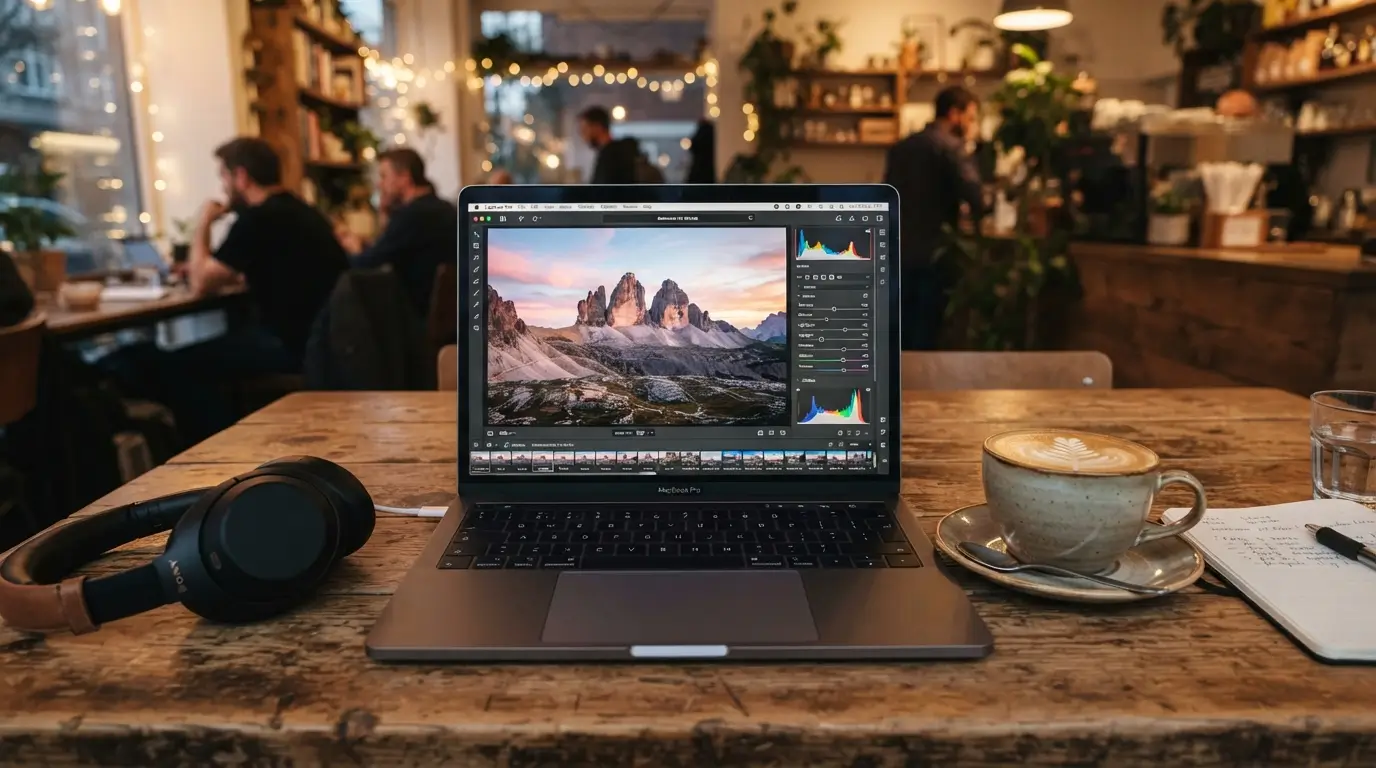
Once you capture your images, you still need to process them, but a monthly Adobe subscription can quietly eat away at your travel budget. Fortunately, the open-source community has created brilliant, professional-grade editing software that is completely free to download. Programs like darktable and RawTherapee offer incredibly powerful raw processing engines that rival Lightroom in almost every way. Learning the interface of these free programs takes a little time because they are designed by developers, not marketing teams.
However, the savings are massive, and the online community provides endless tutorials to help you master the tools. If you prefer editing on your phone or tablet while sitting in a cafe, the free version of Lightroom Mobile is surprisingly robust. It allows you to adjust exposure, contrast, and color balance on the go without paying a dime. Spending your money on actual travel experiences rather than software subscriptions will always yield better photos anyway.
Frequently Asked Questions
What is the single most essential gear for travel photography on a budget?
A fast prime lens, specifically a thirty-five millimeter or fifty millimeter lens, offers the best value. It forces you to think creatively about composition, performs beautifully in low light, and costs a fraction of the price of heavy zoom lenses. It will improve your photos more than any expensive camera body.
Can I just use my smartphone for travel photography?
Absolutely, modern phones take incredible photos, especially for social media. However, dedicated cameras with physical sensors handle tricky lighting, sunset colors, and deep compositions much better. If you want to print your travel memories or capture distant details, a budget camera still beats a smartphone easily.
Where should I buy used camera gear safely?
Skip sketchy local marketplaces and stick to dedicated online used camera dealers like MPB, KEH, or Adorama. These platforms thoroughly inspect every camera body and lens before selling them. They also provide clear condition ratings and offer short warranties, giving you peace of mind with your purchase.
Do I need to buy expensive photo editing software?
You do not need to pay monthly subscription fees to get professional edits. Free, open-source programs like darktable and RawTherapee offer advanced tools that easily compete with Lightroom. If you prefer quick, mobile edits, the free Lightroom Mobile app handles all basic adjustments beautifully.
How do I protect my gear from theft while traveling?
Keep your camera equipment hidden by using a generic, low-profile backpack with a padded insert rather than a flashy camera bag. Avoid walking around with your camera hanging loosely around your neck when you are not shooting. Keep your gear close, and always stay aware of your surroundings.
Conclusion
Taking stunning photos of your adventures does not require spending thousands of dollars on the latest equipment. By picking up a reliable used camera body, a sharp prime lens, and a few smart accessories, you can easily capture the magic of the places you visit. What gear are you planning to pack for your next big trip?
One comment on “Essential Gear for Travel Photography on a Budget 2026”